Serving the Greater Chicago & Milwaukee Area
|
Licensed General Contractor
Home offices, entertainment rooms, guest bedrooms, and full basement buildouts across the western suburbs of Chicago and Southeast Wisconsin. Moisture-first approach. Every project led by owner and licensed general contractor Jason Neu.
Schedule Your Free Basement ConsultationNearly every single-family home in the communities LuxeLine serves has a full basement. That is 600 to 1,200 square feet of space sitting underneath the main floor. In most homes, it is one of two things: completely unfinished with exposed concrete, utility pipes, and storage boxes, or finished decades ago with wood paneling, drop ceilings, and carpet that should have been replaced years ago.
Either way, the space is not working. It is either dead square footage or a room no one wants to spend time in.
A basement remodel converts that unused area into functional living space your family uses every day. The specific use depends on what you need: a home office with a door you can close during work calls, an entertainment room where the kids can be loud without shaking the rest of the house, a guest bedroom with proper egress for when family visits, an exercise area that replaces a gym membership, or a combination of several.
The catch is that basements are not standard rooms. They sit below grade. They are surrounded by soil and exposed to ground moisture. They have lower ceiling heights. They have limited natural light. They require different insulation, different flooring, different lighting design, and different construction methods than the rooms above them. A basement that looks finished but was not built correctly will develop moisture problems, mold, or code violations that are expensive to fix after the fact.
LuxeLine Remodeling builds basements correctly from the start. Jason Neu, the owner and licensed general contractor, leads every basement project personally.
This is the principle that separates a basement remodel that lasts from one that fails within a few years.
Before any framing goes up, before any insulation is installed, before any finish material enters the space, we evaluate the basement for moisture.
The western suburbs of Chicago and Southeast Wisconsin share the same below-grade challenge. Flat terrain, clay-heavy soil, seasonal water table fluctuations, and homes built from the 1950s through the 1990s with original drain tile systems that may be 30 to 60 years old. These conditions create the potential for moisture intrusion through foundation walls and floor slabs, even in basements that appear dry on the day you look at them.
We assess every basement for signs of current or historical moisture: efflorescence (white mineral deposits) on foundation walls, staining on the floor slab, musty odors, condensation on pipes, sump pump frequency, and the condition of any existing drain tile system. If moisture issues exist, we address them before building over them. Solutions range from interior drainage correction and sump pump upgrades to vapor barriers and waterproof membrane application on foundation walls.
If the basement is dry, we verify it and document it. Then we build.
The most expensive mistake a homeowner can make in a basement project is building finished walls over a wet foundation. Insulation, drywall, and flooring trap moisture against the foundation, creating mold growth that is invisible until it becomes a health issue and a structural problem. We prevent that.
Foundation wall evaluation, floor slab inspection, existing drainage assessment, and remediation where needed. Sump pump evaluation and upgrade. Vapor barriers. Waterproof membrane application. This is step one on every project, without exception.
Basement walls are framed out from the foundation to create a cavity for insulation, wiring, and a finished surface. We use rigid foam insulation or closed-cell spray foam on foundation walls rather than fiberglass batts, which absorb moisture and promote mold growth in below-grade applications. The framing layout accounts for existing mechanicals (furnace, water heater, electrical panel) and creates clean utility access points so future service does not require tearing out finished walls.
Ceiling height is one of the most common constraints in basements, especially in homes built in the 1950s and 1960s. Ductwork, plumbing, and structural beams reduce clearance. We evaluate every inch of the ceiling during design and use a combination of strategies: drywall ceilings where height allows, painted exposed ceilings in areas with complex mechanicals, and selective ductwork relocation where the height gain justifies the cost.
Basements need more electrical work than most rooms because they have no natural light to supplement. Recessed lighting throughout, switched circuits for different zones, GFCI outlets, dedicated circuits for entertainment systems or exercise equipment, and pre-wiring for future features like a wet bar or bathroom.
Adding a bathroom or wet bar to a basement typically requires a sewage ejector pump because the drains are below the main sewer line. We handle the plumbing rough-in, ejector pit installation, and tie-in to the existing waste system. A basement bathroom adds significant value and convenience.
If the basement includes a bedroom, building code requires an egress window or door that meets specific size requirements for emergency exit. We cut the foundation wall, excavate a window well, install the egress window, and waterproof the opening.
Basements require moisture-resistant flooring. We install luxury vinyl plank (LVP), porcelain tile, or engineered hardwood with proper moisture barriers underneath. Standard hardwood and carpet over bare concrete are not appropriate for below-grade installations. LVP is the most popular choice because it is durable, waterproof, and available in styles indistinguishable from real wood.
Your existing furnace and air conditioning system likely has capacity to serve the basement, but ductwork needs to be extended or modified to deliver conditioned air effectively. We evaluate your HVAC system during design, extend supply and return runs to the basement, and ensure the space is comfortable year-round.
A dedicated workspace with a door, proper lighting, multiple outlets, data/internet wiring, and climate control. Especially valuable for homeowners who work remotely and need separation between work and living space.
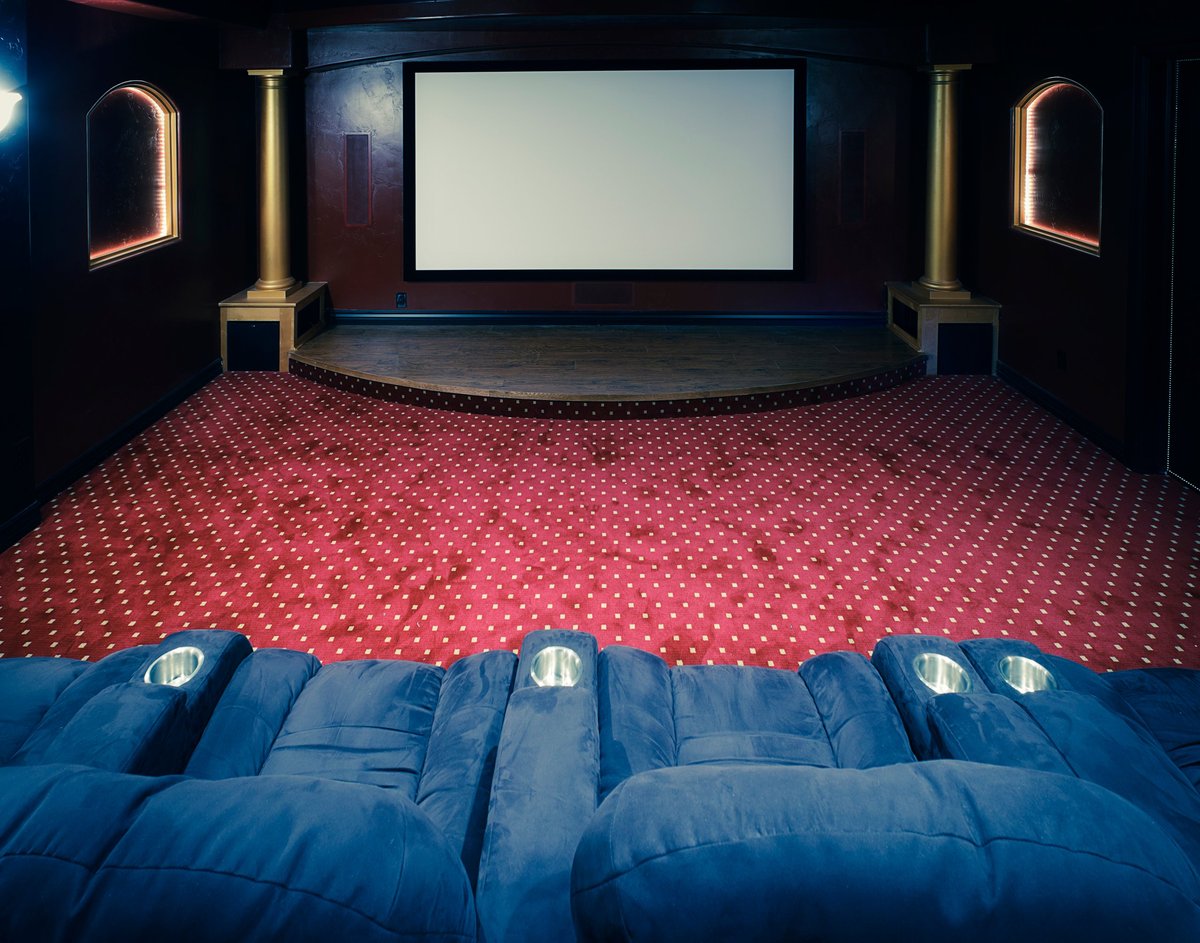
A large open area with a media wall or projector setup, surround sound pre-wiring, dimmable lighting, and a wet bar or kitchenette. The basement is the best room for this use because sound does not carry upstairs.
A private room with an egress window (required by code), closet, overhead lighting, and ideally an adjacent bathroom. Converts the basement into functional guest quarters.
Rubber flooring or heavy-duty LVP, dedicated electrical circuits for equipment, adequate lighting, and HVAC that can handle the heat load of a workout. Ceiling height is a key consideration.
A flexible space for families with children. Durable flooring, washable wall finishes, good lighting, and storage built into the design. Keeps toys and activities off the main floor.
Most basement remodels combine two or more uses. A common configuration is an open entertainment area with a wet bar, a separate guest bedroom with egress, and a home office or exercise area.
Jason visits your home, inspects the basement, evaluates moisture conditions, measures ceiling heights, and discusses how you want to use the space. You leave with a written scope outline, a ballpark budget range, a proposed timeline, and Jason's direct phone number. He follows up within 24 hours in writing.
We finalize the floor plan, identify any moisture remediation needed, plan the electrical and lighting layout, determine HVAC extension requirements, and select materials. Bathrooms, egress windows, and wet bars are designed into the plan from the start.
We pull permits through your local municipality, order materials, and build a detailed construction schedule.
Jason manages every trade: moisture remediation (if needed), framing, insulation, electrical, plumbing, HVAC, drywall, flooring, trim, painting, and finish work. We protect the main floor from dust and debris and maintain a clean job site.
At each major phase (moisture work, framing, rough-in, drywall, finishes) we walk you through the work and get your approval before proceeding.
We inspect every surface, every fixture, and every finish with you. Your 24-month workmanship guarantee begins at this point.
$30,000 – $45,000
Open floor plan with framing, insulation, drywall, recessed lighting, LVP flooring, paint, and HVAC extension. No bathroom or egress window.
$45,000 – $60,000
Defined rooms (entertainment area plus home office or bedroom), upgraded lighting design, built-in storage, HVAC extension, and possibly an egress window.
$60,000 – $75,000+
Guest bedroom with egress window, full bathroom with shower, wet bar or kitchenette, entertainment zone, and premium finishes.
Note: Moisture remediation adds to the project cost if required, but it is not optional. Building finished walls over a wet foundation is the most expensive mistake you can make in a basement project.
These ranges are based on typical basement sizes in the western suburbs (600 to 1,200 square feet). Larger basements in communities like Oak Brook and Hinsdale will scale accordingly.
During your free consultation, Jason will inspect your basement and provide a realistic budget range.
The most common failure in basement remodeling is building over a moisture problem. We evaluate every basement before we frame a single wall. If remediation is needed, we do it first. If the basement is dry, we verify it and document it.
Jason Neu is the licensed general contractor on every LuxeLine basement remodel. He coordinates framing, insulation, electrical, plumbing, HVAC, drywall, flooring, and finish work as one project. You do not manage separate subcontractors.
Basements require different insulation (rigid foam or closed-cell spray foam, not fiberglass batts), different flooring, different lighting, and different construction methods than above-grade rooms. Jason has built basements in homes from the 1950s through the 2000s.
Any defect in our workmanship will be corrected at no charge for 24 months after your basement is complete.
Dedicated page with full detail on 1960s basements, moisture management, ceiling height solutions, and egress requirements.
1950s homes with full basements, galvanized plumbing considerations, and strong ROI at this price point.
1960s-1970s homes with similar below-grade conditions to Villa Park and Elmhurst.
1990s homes with full or partial basements, often unfinished or carrying dated rec room layouts.
Large footprint homes with substantial basement square footage ideal for guest suites, theaters, and entertainment spaces.
Premium basements with guest suites, wine rooms, fitness spaces, and home theaters.
1970s-1980s homes with full basements.
Southeast Wisconsin homes with the same moisture and insulation challenges as their Illinois counterparts.
Basement remodels typically range from $30,000 to $75,000 or more depending on the size of the space, the features included, and whether moisture remediation is required. A basic finish-out runs $30K to $45K. A mid-range basement with defined rooms runs $45K to $60K. A full-featured basement with bathroom, egress window, and wet bar can reach $60K to $75K+.
Most basement remodels take 4 to 8 weeks from construction start to final walkthrough. Projects with bathrooms, egress windows, and moisture remediation run toward the longer end.
Common signs include white mineral deposits (efflorescence) on foundation walls, musty smells, visible water stains on the floor or walls, condensation on pipes, or a sump pump that runs frequently. Some moisture issues are only detectable through testing. Jason evaluates every basement for moisture conditions during the free consultation before recommending any finish work.
Yes. Most basements can accommodate a bathroom. Because basement drains are below the main sewer line, a sewage ejector pump is required. LuxeLine handles the plumbing rough-in, ejector installation, and connection to the existing waste system.
If the basement includes a bedroom, building code requires an egress window or door meeting specific size requirements for emergency exit. LuxeLine handles foundation cutting, window well excavation, installation, and waterproofing.
Luxury vinyl plank (LVP) is the most popular choice because it is waterproof, durable, comfortable underfoot, and available in styles that look like real wood. Porcelain tile and engineered hardwood with moisture barriers are also good options. Standard hardwood and carpet over bare concrete are not recommended below grade.
Rigid foam insulation or closed-cell spray foam. Never fiberglass batts in below-grade applications. Fiberglass absorbs moisture and promotes mold growth when installed against foundation walls. Rigid foam and closed-cell spray foam resist moisture and provide effective thermal barriers.
Yes. Basement remodels involving electrical, plumbing, HVAC, or egress windows require permits. LuxeLine handles all permitting through your local municipality as part of the project.
Schedule a free consultation with Jason Neu. He will visit your home, inspect the basement, evaluate moisture conditions, and give you a written scope of work, a realistic budget range, and a proposed timeline. No pressure. No obligation.
Schedule Your Free Basement Consultation
Premium home remodeling across the Greater Chicago & Milwaukee Area. Licensed General Contractor.

2026 LuxeLine Remodeling. All rights reserved.
Villa Park, IL | Licensed General Contractor