Serving the Greater Chicago & Milwaukee Area
|
Licensed General Contractor
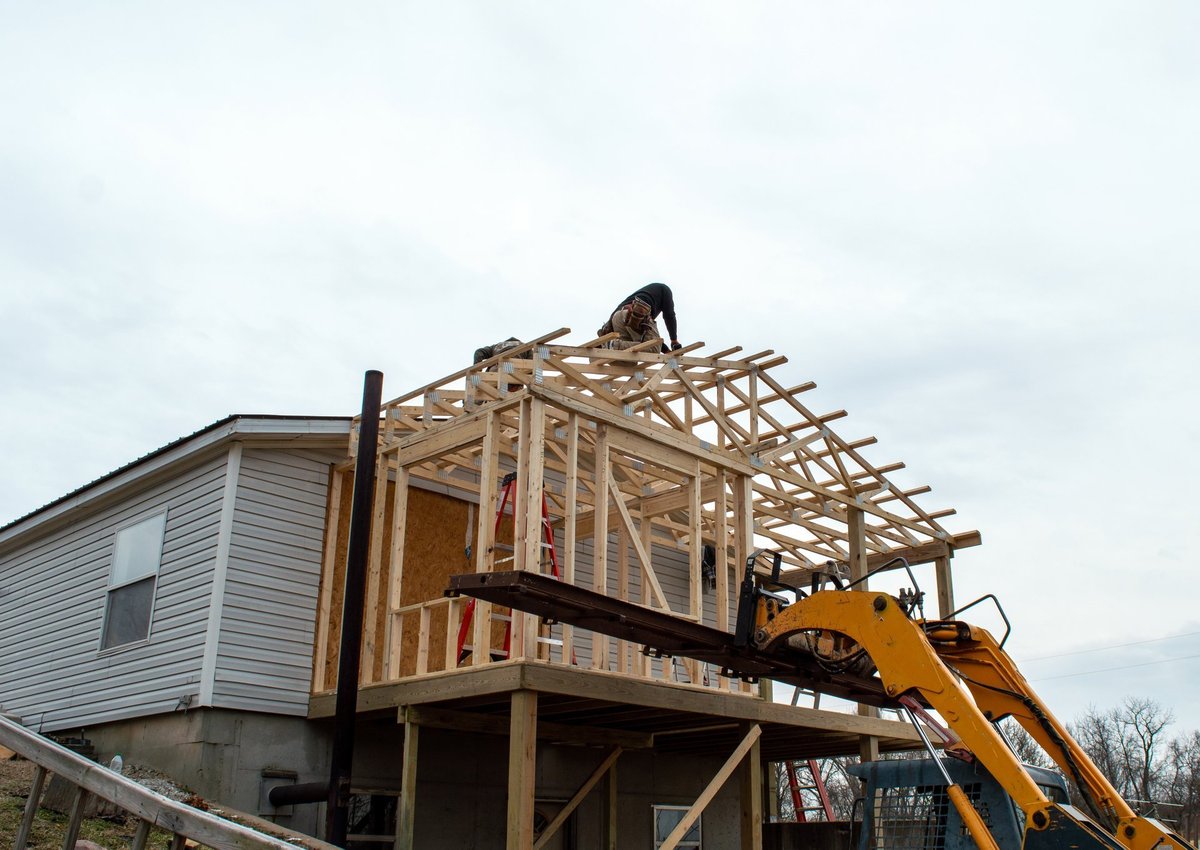
Rear extensions, second-story expansions, primary suites, sunrooms, and in-law suites across the western suburbs of Chicago. Design, permitting, and full construction managed by owner and licensed general contractor Jason Neu.
Schedule Your Free Addition ConsultationThere is a point in many homeowners' lives when the math no longer works. The family has grown, the way you use your home has changed, or the rooms you have simply do not accommodate the life you are living. The neighborhood is right. The schools are right. The commute works. But the house needs another bedroom, a larger family room, a first-floor primary suite, or a dedicated home office that does not double as the dining room.
Moving is one option. But in the western suburbs, where property values have been climbing and inventory is tight, moving means paying a premium for a home that may still need renovation, in a neighborhood you may not like as much as the one you are in. An addition lets you stay where you want to be and build the space you need.
The challenge is that additions are the most complex residential construction project a homeowner can undertake. They involve foundation work, structural engineering, exterior integration (roofline, siding, windows), interior buildout, plumbing, electrical, HVAC extension, and coordination with local building departments and permitting authorities. They also require judgment about what will look right. An addition that does not match the existing home in materials, proportions, and roofline looks like exactly what it is: something bolted on after the fact.
LuxeLine Remodeling handles all of it. Jason Neu, the owner and licensed general contractor, manages every addition from design through final walkthrough. He coordinates the engineering, the permitting, the trades, and the finish work as one project with one point of contact.
The most common type of addition in the western suburbs. A rear extension pushes the back of the home outward to create a larger kitchen, an expanded family room, or a combined kitchen-dining-living area that opens to the backyard. Rear extensions work well on homes with sufficient lot depth and are typically the most cost-effective way to add meaningful square footage because they use the existing foundation footprint on one or more sides.
For homes on lots where building outward is not feasible, a second-story addition adds bedrooms, bathrooms, or a full primary suite above the existing first floor. Second-story additions are structurally more complex than rear extensions because they require the existing foundation and first-floor framing to support the additional load. We evaluate the existing structure during design and reinforce where needed.
A first-floor primary suite is one of the most requested additions in our service area. It typically includes a bedroom, a walk-in closet, and a full bathroom with a walk-in shower, double vanity, and heated floors. First-floor primary suites are especially popular with homeowners who want to age in place or who prefer not to use stairs daily.
Three-season or four-season sunrooms extend the living space into a light-filled room with large windows or glass walls. Four-season sunrooms require full insulation and HVAC extension to be comfortable year-round. Three-season rooms are simpler to construct but are limited to spring-through-fall use in the Chicago climate.
A self-contained living space within or attached to the existing home, typically including a bedroom, bathroom, kitchenette, and separate entrance. In-law suites serve families caring for aging parents or adult children returning home. Zoning and permitting requirements vary by municipality.
Smaller than a full rear extension, a bump-out typically adds 50 to 150 square feet to an existing room. Common uses include expanding a kitchen to accommodate an island, enlarging a bathroom, or creating a breakfast nook. Bump-outs are often cantilevered from the existing foundation, which eliminates the need for a new foundation pour in some cases.
Every addition starts with a design that solves the space problem while integrating with the existing home. This includes floor plan layout, structural engineering to ensure the existing home can support the new construction, exterior design that matches roofline, siding, and window style, and interior design that connects the new space to the existing home naturally. We work with structural engineers and coordinate architectural plans as part of the project.
Home additions require building permits in every municipality LuxeLine serves. In some communities, particularly Hinsdale, additions also require architectural review to ensure the new construction is compatible with the neighborhood. LuxeLine handles all permitting, plan submissions, and review board coordination. You do not manage the permit process yourself.
Most additions require a new foundation that connects to the existing home's foundation. This involves excavation, forming, pouring, and waterproofing. The new foundation must match the existing foundation depth and type (full basement, crawlspace, or slab) to ensure structural continuity and proper drainage.
The addition's framing ties into the existing home at the roofline, walls, and floor system. This is where an addition either looks like it was always part of the home or looks like an afterthought. Matching the existing roof pitch, eave height, and framing methods is critical. We also address any load-bearing modifications needed where the addition connects to the existing structure.
Siding, roofing, windows, and trim on the addition must match the existing home. In some cases, the entire side of the home needs re-siding to create a seamless appearance. We source matching materials or, when exact matches are unavailable, coordinate with the homeowner on acceptable alternatives.
Additions that include bathrooms, kitchens, or wet bars require new plumbing runs tied into the existing system. Electrical service is extended from the main panel (or a subpanel is added if the existing panel is at capacity). HVAC ductwork is extended or a supplemental system is installed to condition the new space.
Drywall, trim, flooring, paint, lighting, and fixtures. The interior finish of the addition should match the existing home so the transition between old and new construction is invisible. This includes matching baseboard profiles, door styles, and flooring materials.
Jason visits your home, assesses the existing structure, discusses what you need the addition to accomplish, and evaluates the lot for buildability. You leave with a written scope outline, a ballpark budget range, a proposed timeline, and Jason's direct phone number. He follows up within 24 hours in writing.
We develop the floor plan, coordinate structural engineering, and create the architectural plans needed for permitting. You approve the design before we submit for permits.
We submit plans to your local building department, coordinate with any required review boards (such as Hinsdale's architectural review), and manage the approval process. You do not need to visit the building department yourself.
Materials ordered, subcontractors scheduled, detailed construction timeline built. You know exactly what is happening and when before work starts.
Jason manages every phase: excavation, foundation, framing, roofing, exterior, windows, plumbing, electrical, HVAC, insulation, drywall, flooring, trim, painting, and fixtures. We protect the existing home during construction and clean up daily.
At each major phase (foundation, framing, rough-in, exterior, interior finish) we walk you through the work and get your approval before proceeding.
We inspect every detail with you. Your 24-month workmanship guarantee begins at this point.
Home addition costs vary significantly based on the type of addition, the size, and the level of finish. Here are general ranges for the western suburbs of Chicago.
$25,000 - $60,000
50-150 sq ft
Expanding a kitchen for an island, enlarging a bathroom, or creating a breakfast nook.
$80,000 - $200,000
200-500 sq ft
Expanding the kitchen and family room, creating a combined living space, or adding a first-floor primary suite.
$150,000 - $400,000+
Varies by scope
Adding bedrooms and bathrooms above the existing first floor. Cost depends on structural reinforcement required and finish level.
$100,000 - $250,000
Varies by size
First-floor bedroom, walk-in closet, and full bathroom. Price varies by size and finish level.
$50,000 - $130,000
Varies by type
Three-season rooms sit at the lower end. Four-season rooms with full insulation and HVAC run higher.
These ranges reflect the western suburbs market specifically. Additions in Hinsdale and Oak Brook tend toward the higher end due to larger home scales, premium material expectations, and architectural review requirements. Additions in Villa Park, Lombard, and Schaumburg tend toward the lower end of these ranges.
During your free consultation, Jason will assess your home and provide a realistic budget range for your specific project.
Jason Neu is the licensed general contractor coordinating every phase of your addition. Foundation, framing, roofing, exterior, plumbing, electrical, HVAC, and interior finish. One person accountable from first consultation through final walkthrough.
The difference between a good addition and a bad one is not square footage. It is whether the new construction integrates with the existing home. Matching rooflines, siding, window proportions, trim profiles, and interior finishes is what makes an addition feel like the home was always designed this way. That judgment comes from experience, and Jason has been building additions for over a decade.
Every municipality in the LuxeLine service area has its own permitting process. Some, like Hinsdale, have architectural review requirements for exterior modifications. We manage all of it so you do not have to navigate building departments yourself.
Any defect in our workmanship will be corrected at no charge for 24 months after your addition is complete. This covers foundation, framing, roofing, exterior, plumbing, electrical, HVAC, drywall, flooring, and every other element we build.
LuxeLine builds home additions across the western suburbs of Chicago. Each community has specific lot sizes, zoning requirements, and permitting processes. Select your city for details specific to your area.
Rear extensions, second-story additions, primary suites, and sunrooms with architectural review coordination. Historic home additions available.
Rear extensions, second-story additions, in-law suites, and sunrooms. Dual school district and dual-county permitting considerations.
Rear extensions, second-story additions, and primary suites for 1960s homes that need more space.
Additions matched to executive home architecture and Village of Oak Brook building standards.
1950s homes on lots that support rear extensions and second-story additions.
Similar lot sizes and home styles to Villa Park.
Rear extensions and second-story additions for 1970s-1980s homes.
Home addition costs range from $25,000 for a small bump-out to $400,000 or more for a large second-story addition. A rear extension typically runs $80,000 to $200,000. A first-floor primary suite runs $100,000 to $250,000. During your free consultation, Jason will assess your home and provide a realistic budget range.
Most home additions take 3 to 6 months from construction start to final walkthrough. The timeline depends on the size and complexity of the addition, foundation requirements, weather conditions, and local permitting schedules. Design and permitting add 4 to 8 weeks before construction begins.
Structural engineering is required for all additions. LuxeLine coordinates with structural engineers and develops the architectural plans needed for permitting. If you are also working with an architect, we coordinate with them to execute the design.
In most cases, yes. The addition is built as a separate structure until the connection point is opened. The disruption period when the existing home is opened to the new construction is typically brief. Jason will discuss logistics during your consultation.
It should, and at LuxeLine it will. Matching rooflines, siding materials, window styles, trim profiles, and interior finishes is fundamental to how we build additions. An addition that looks like an afterthought is a failure regardless of how much square footage it adds.
Yes. Home additions require permits in every municipality LuxeLine serves. Some communities also require architectural or design review. LuxeLine handles all permitting, plan submissions, and review board coordination as part of the project.
In many cases, yes. Second-story additions require the existing foundation and first-floor framing to support the additional load. Jason will evaluate the existing structure during your consultation and determine if reinforcement is needed. Zoning requirements (height limits, setbacks) also factor into feasibility.
A three-season sunroom has large windows and basic insulation but no HVAC extension. It is comfortable from spring through fall but not during winter. A four-season sunroom has full insulation, HVAC extension, and is designed to be used year-round. Four-season rooms cost more but function as true living space in all weather.
Yes. LuxeLine offers a 24-month workmanship guarantee on all additions. Any defect in our workmanship will be corrected at no charge for 24 months after project completion. This covers foundation, framing, roofing, exterior, plumbing, electrical, HVAC, drywall, flooring, and all finish work.
Schedule a free consultation with Jason Neu. He will visit your home, assess the existing structure and lot, and give you a written scope of work, a realistic budget range, and a proposed timeline. No pressure. No obligation.
Schedule Your Free Addition ConsultationI answer. Always.

Premium home remodeling across the Greater Chicago & Milwaukee Area. Licensed General Contractor.

2026 LuxeLine Remodeling. All rights reserved.
Villa Park, IL | Licensed General Contractor